Parametric Heatwave Insurance: Cash Payouts When Temperatures Cross the Line
Extreme heat disrupts work, spoils inventory, and strains household budgets—yet it rarely triggers traditional insurance. Learn how parametric heatwave cover pays out automatically when temperatures spike.
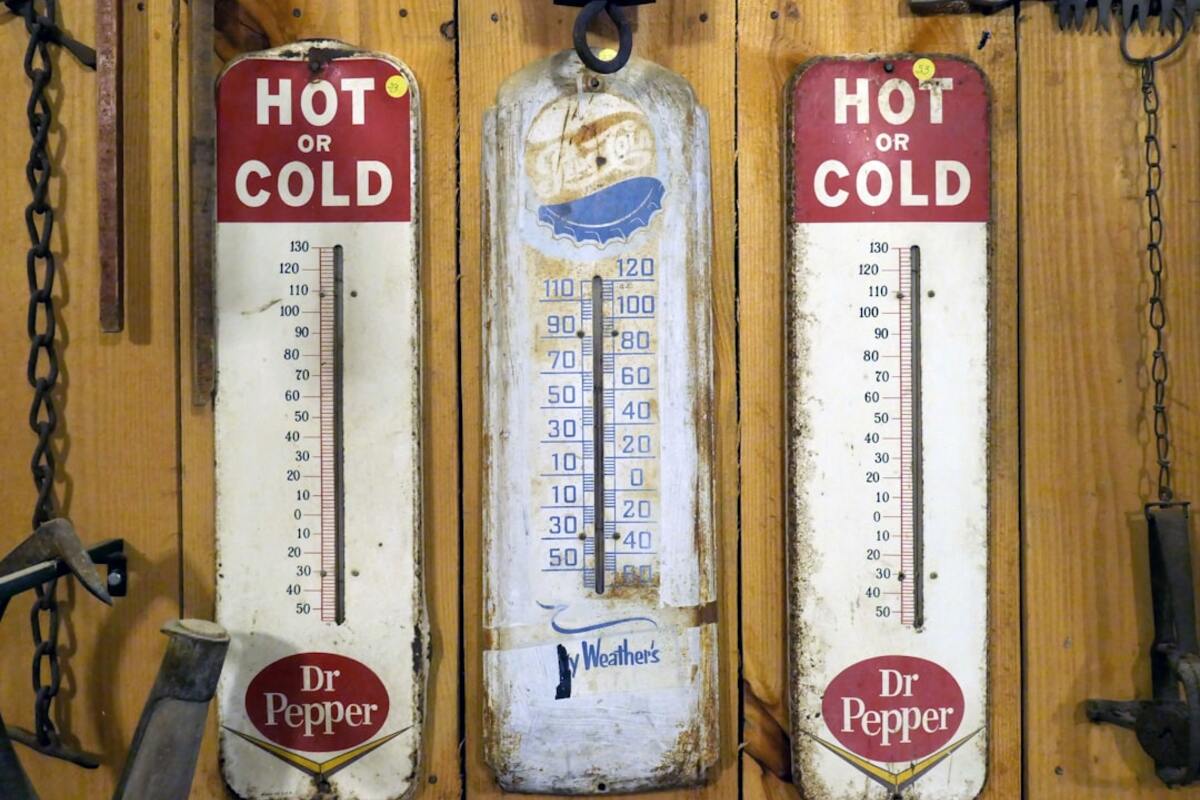
- Automatic payouts tied to heat index thresholds—no adjusters, no receipts, faster relief.
- Useful for small businesses, outdoor workers, events, renters, and households facing heat-related costs.
- Understand basis risk and choose data sources, thresholds, and coverage windows carefully.
What Is Parametric Heatwave Insurance and Why It’s Surging Now
Heatwaves are no longer rare, and they’re not just uncomfortable. They derail work schedules, spoil temperature-sensitive goods, push electricity bills to new highs, and jeopardize health—especially for outdoor workers, parents with newborns, and older adults. Yet most of those losses don’t involve direct physical damage, which means traditional insurance policies may not respond. A restaurant that loses a day’s revenue because it’s too hot for outdoor seating, or a courier platform that must curtail deliveries after noon, often faces the costs alone.
Parametric heatwave insurance is a new type of coverage that pays a preset cash amount when a clearly defined weather condition occurs—no receipts, invoices, or loss adjusters required. The trigger is an objective measurement, like “the daily maximum heat index exceeds 100°F for two or more consecutive days, as reported by the National Weather Service station nearest the policyholder’s ZIP code.” If the condition is met, the payout is automatically released, usually within days.
Because the payout isn’t tied to the exact financial loss, parametric insurance can unlock cash precisely when you need it: a surge in cooling costs, overtime pay to rotate crews, canceled outdoor events, or buying dry ice and spare fans. You decide in advance how much coverage to buy and how the payout steps up with higher temperatures or longer heat streaks. This certainty is particularly valuable for people and organizations who cannot afford long proofs-of-loss or complex claim investigations.
Why is this product surging now? Three reasons: First, extreme heat days are rising globally, and those events—unlike hail or wildfire—rarely create insurable property damage that activates standard policies. Second, high-quality weather data has become widely accessible, enabling precise triggers. Third, small businesses and households increasingly need portable, flexible, and fast financial protection that mimics an emergency fund without the delay.
It helps to compare parametric heat coverage with traditional insurance. Traditional (indemnity) insurance pays for the actual loss you can prove, but only for covered causes and with deductibles, exclusions, and claim adjustments. Parametric coverage pays when a measurable, pre-agreed event happens—even if your individual loss was smaller or larger than the payout. This difference introduces something called basis risk: the risk that the trigger pays when your loss is modest, or fails to pay when your loss is large. Managing basis risk is the heart of buying parametric insurance wisely.
Common expenses that parametric heat insurance can help offset include:
- Emergency cooling equipment or portable AC rentals for small shops and clinics
- Lost revenue from canceled outdoor events or reduced service hours
- Overtime or shift changes to avoid mid-day exposure for delivery and construction crews
- Food spoilage prevention (dry ice, transport) when refrigeration is strained
- Extra childcare or in-home care costs during heat advisories
Coverage can be tailored to households, renters, sole proprietors, nonprofits, and SMEs, not just large corporations or municipalities. The core idea is simple: if heat crosses the line you chose, you get paid.

Designing a Trigger and Payout That Actually Fits Your Life or Business
The strength of parametric insurance lies in fit-for-purpose design. The “right” trigger for a baker in Phoenix is different from a summer festival in Minneapolis. Before buying, think through three decisions: choosing the index and data source, setting thresholds and the coverage window, and defining the payout schedule.
Index and data source. The most common index is the heat index (which combines air temperature and humidity), reported by official meteorological agencies. Some products use Wet-Bulb Globe Temperature (WBGT), more relevant for outdoor exertion and worker safety. Others use your county’s excess heat advisory status. Reliability and transparency are key—make sure you know the station, the data provider, and how distance to your location is handled.
Thresholds and window. A single 100°F day in a dry climate may be manageable, but three in a row could disrupt your operations. Triggers are usually structured around “at least X days above Y threshold within the coverage period,” often spanning June to September. If your vulnerability is highest around a specific event—say, a July tournament—you can buy a narrow window for that week to reduce cost.
Payout schedule. You can choose a simple one-time payout when the trigger is met, or a tiered schedule that increases with severity. Tiered payouts are popular because they mirror how costs escalate over consecutive extreme days. Here’s a sample schedule that many small businesses find intuitive:
| Trigger condition (daily max heat index) | Payout |
|---|---|
| Any single day ≥ 100°F | $1,500 |
| Two consecutive days ≥ 100°F | $3,500 total |
| Three consecutive days ≥ 100°F | $6,000 total |
| Each additional day ≥ 100°F after day 3 | +$1,250 per day |
Notice that the trigger and the payout are both explicit and objective. There is no ambiguity about what counts. Still, be aware of basis risk. If your shop uses a microclimate cooler than the official station, the trigger might miss your real hardship—or pay when you’re unaffected. To mitigate this, some policies let you select among multiple nearby weather stations or use a weighted average of several stations.
Another subtlety: the difference between “above” and “at or above” matters. Also verify how missing data is handled, what time zone defines a “day,” and whether the policy uses daily maximum, average, or hourly exceedances. In labor-intensive jobs—landscaping, construction, delivery—WBGT-based triggers can better match health-driven stoppages than simple air temperature.
For events and venues, consider a narrow window with a larger per-day limit. For households and renters, a broader summer window with modest per-event payouts can help with energy spikes and temporary relocation if your apartment becomes unlivable for a weekend. If your building suffers a power outage, note that parametric heat insurance typically doesn’t require the outage itself—it only needs the heat trigger. That means you could still get paid even if your utility reports are delayed.
Think ahead about what you’ll do with the payout. A heatwave plan could include pre-identified fan and ice vendors, backup power rental contacts, shift schedule templates, and a simple message you can send to customers about adjusted hours. Treat the policy like a cash-accelerator for an emergency playbook you already wrote.
Buying, Pricing, and Making It Work in Real Life
Pricing for parametric policies depends on historical weather distributions at your location, the severity of your trigger, the duration of your coverage window, and total limit. More generous payout schedules and lower thresholds cost more, because they’ll trigger more often. If you set the threshold too high, you might never get paid; too low, and you may buy expensive protection that pays but doesn’t match your real cost spikes.
Expect underwriters to use 10–30 years of weather data to estimate the annual probability your trigger will activate. They’ll also consider correlation—if a heat dome affects an entire region, many policyholders might trigger at once. That correlation increases the insurer’s cost of capital. In some products, reinsurance and catastrophe bond structures distribute that risk to capital markets, which helps keep pricing competitive and availability wide.
When shopping for a policy, follow this checklist:
- Define your problem in dollars: How much does a 2-day 102°F stretch cost you? What about 4 days?
- Pick the index that aligns with your exposure: Heat Index (comfort/electricity) vs. WBGT (worker safety).
- Choose a transparent data source and confirm station mapping to your address.
- Decide on a coverage window (e.g., June 1–Aug 31) and a tiered payout that mirrors your pain curve.
- Set a total annual limit and confirm how multiple events within the season are handled.
- Ask about payout timing, bank transfer options, and any identity verification requirements.
Documentation is lighter than traditional insurance, but you’ll still sign a policy that spells out trigger definitions, data sources, and payment mechanics. Many providers enable instant quotes after you input a location, threshold, and limit. Some offer premium discounts when you bundle heat, rainfall, and air quality triggers—useful for event organizers and outdoor retail.
Integrating parametric payouts into your operations yields the most value. For example, a small cafe might automatically schedule additional evening staff on any day after a triggered payout, capturing revenue in cooler hours. A roofing contractor could use funds to rent shade structures and rotate crews. A family could plan to book a nearby hotel day-pass if their top-floor apartment becomes unbearable, knowing a payout will replenish their emergency budget.
Risk management never relies on one tool. Combine parametric coverage with practical steps: weather alerts on your phone, a shade-and-hydration policy for workers, pre-negotiated rental rates for portable AC, and a list of cooling centers. Even simple tweaks—closing drapes by 10 a.m., delaying oven-heavy tasks, servicing HVAC filters—can reduce exposure and stretch your parametric dollars further.
Regulatory notes: In many jurisdictions, parametric products are filed as insurance; in others, they may resemble derivatives or specialty contracts. For consumers and SMEs, they are usually sold and overseen as insurance with clear disclosures. Ask your broker how your policy is regulated, whether premium taxes apply, and how consumer protections (like a cooling-off period) work in your region.
Tax treatment varies by location and entity type. Individuals typically treat payouts as a reimbursement for personal expenses, while businesses may account for payouts as other income and match them against extraordinary costs. Consult a tax professional if the numbers are significant.
Due diligence on providers matters. Assess their financial strength, track record with timely payouts, data partnerships, and whether they disclose historical trigger frequency for your area. Transparent dashboards that show daily index values and trigger status are a good sign.
Common pitfalls to avoid:
- Setting a threshold so high that your policy rarely—if ever—pays, even as your costs rise.
- Choosing a weather station too far from your microclimate, increasing basis risk.
- Forgetting to align payouts with your real cost curve (e.g., 2–3 day stretches hurt most).
- Overreliance on the policy without an operational heat plan to deploy funds effectively.
Who benefits most? Outdoor and delivery-heavy businesses, food vendors, festivals, sports leagues, construction and landscaping firms, urban households in top-floor units, renters in buildings without central air, and community clinics that see increased patient load during heat advisories. Municipal programs have also explored parametric structures to fund cooling centers or distribute prepaid debit cards to vulnerable residents during heatwaves.
Illustrative scenario: A mobile food vendor buys a policy with a June–August window, a trigger at Heat Index ≥ 100°F, and a tiered payout up to $6,000. In July, a four-day stretch exceeds 100°F each day. The vendor receives $7,250 based on the schedule. They use $3,000 to rent misting fans and shade sails for the next weekend, $2,000 to cover lost produce and ice, $1,000 to offer staff hazard pay, and keep the rest as buffer for another hot spell. There’s no paperwork beyond confirming identity—payment arrives via bank transfer within five days of the trigger report.
If you’re unsure where to start, run a simple back-test: pull the last 10–15 summers of heat index data for your ZIP code and count how many times your proposed trigger would have fired, and what payouts would have totaled. Compare that frequency and cost to your memory (and records) of disruption. Adjust thresholds until it “feels” right and fits your budget.
Quick answers to common questions:
Most policies reference official meteorological data (e.g., national weather services) from a named station or a weighted set of stations nearest your address. The source and station mapping are disclosed in the policy.
No. Payouts are purely event-based. Once the heat trigger is verified, payment is issued according to the schedule—no receipts or adjusters. You are free to use funds as you choose.
Basis risk is the mismatch between the trigger and your actual loss. Reduce it by choosing the right index (Heat Index vs. WBGT), carefully selecting thresholds and windows, and using the most representative station(s).
Many providers pay within 3–10 business days after the data confirms the trigger. Faster options exist when you validate identity and banking details during purchase.
Yes. Many parametric heat products are available to individuals and renters, not just businesses. You choose your ZIP code, trigger, and coverage window for the summer season.
Parametric heatwave insurance won’t cool the air, but it can keep your finances from overheating. With a clear trigger, a smart payout design, and a practical plan to deploy funds, you can turn oppressive heat into a manageable—and budgeted—risk.