Value Acceptance + Property Data vs. ACE+ PDR: The 2025 Guide to Appraisal‑Light Mortgages
A new wave of appraisal-light options promises faster, cheaper mortgage closings. Learn how Value Acceptance + Property Data and ACE+ PDR work, who qualifies, costs, risks, and how to boost your odds.
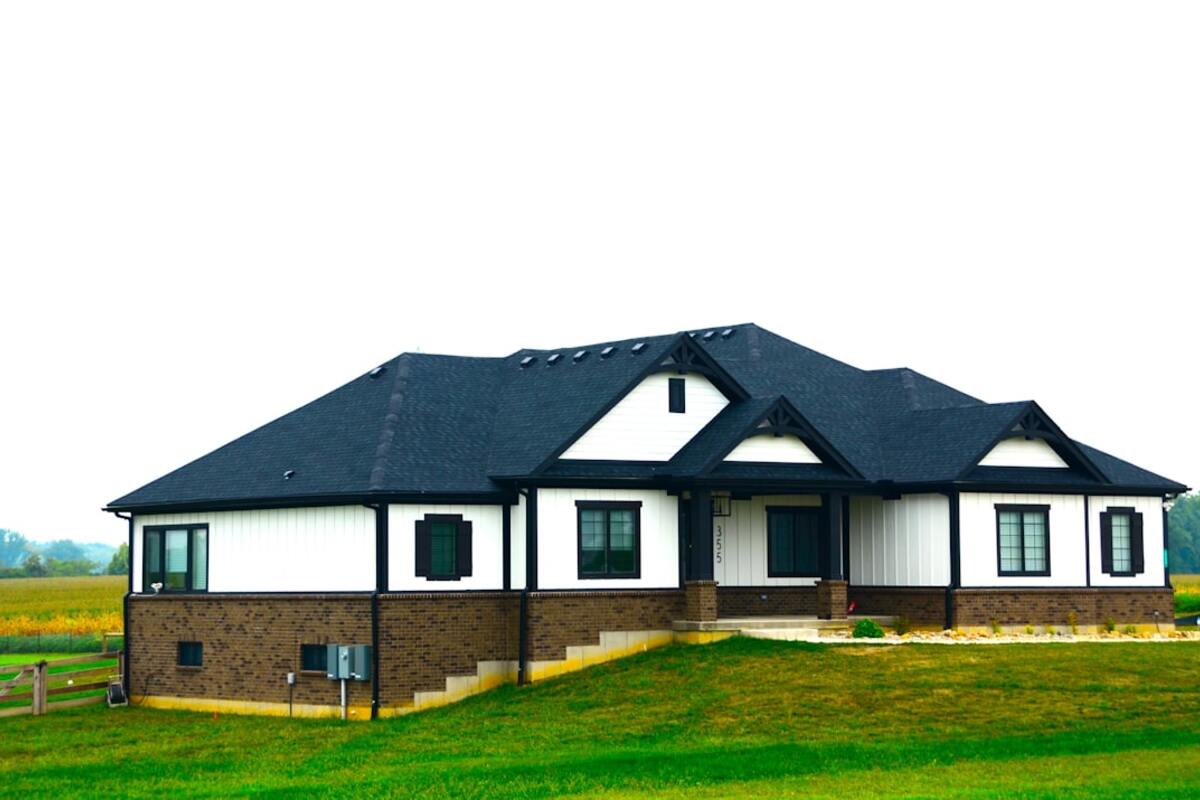
- Automated valuation with property data can replace a full appraisal on eligible loans, cutting days and cost.
- Eligibility depends on risk models: LTV, credit, occupancy, property type, and clean property data.
- Prepare early: tidy the home, gather permits, and ask your lender to check eligibility before you lock.
Appraisals have long been the slowest, most unpredictable part of a mortgage. In 2025, that is changing. Many lenders now use modern valuation options that blend automated models with a professional property data collection—no traditional appraisal required on eligible loans. You may see these marketed as Value Acceptance + Property Data (commonly associated with Fannie Mae) or ACE+ PDR (commonly associated with Freddie Mac). Together, they are often called appraisal-light or inspection-only valuations.
Instead of waiting a week or more for an appraiser to visit and write a 30-page report, lenders can rely on an approved property data collector who captures photos, measurements, and condition notes using a standardized app. That data feeds an automated valuation model (AVM) and lender systems. If the risk models like what they see—your credit, your down payment, the property’s data and recent comparable sales—the lender may accept the value without a traditional appraisal.
For buyers competing in tight markets, shaving five to ten days from the timeline matters. For refinances, saving several hundred dollars on appraisal fees can tip the math in your favor. But these options are not universal. They are offered case-by-case, and lenders must follow strict rules on when and how they can be used.
How these appraisal‑light options work
When you apply, your lender runs your file through an automated underwriting system (AUS). If your loan is routed to a program that supports appraisal-light valuations and your profile looks low risk, the system may return a finding that a full appraisal is not required, provided the lender obtains standardized property data.
That property data collection is performed by a trained inspector—sometimes an appraiser, sometimes a specialized field professional—who uses a mobile app to submit:
- Interior and exterior photos, room by room
- Floor areas, key measurements, and layout details
- Material and systems notes (roof, HVAC, windows, foundations)
- Condition ratings and any visible issues (water stains, cracks, safety hazards)
With that data in hand, the lender’s system runs an AVM and risk checks. If the model is satisfied, the lender proceeds with a value acceptance. If the data reveals a material issue—or the model can’t find sufficiently similar sales—the lender may upgrade the requirement to a full appraisal.
| Feature | Value Acceptance + Property Data | ACE+ PDR | Traditional Appraisal |
|---|---|---|---|
| Site visit by appraiser | No (trained data collector instead) | No (trained data collector instead) | Yes |
| Interior photos and measurements | Yes | Yes | Yes |
| Automated valuation model | Core component | Core component | May be used by appraiser, but not required |
| Typical timeline impact | Shortens by ~3–7 days | Shortens by ~3–7 days | Standard timeline, often 5–12 days |
| Typical cost | Lower (inspection fee) | Lower (inspection fee) | Higher (full appraisal fee) |
| When it’s upgraded | Complex property or data red flags | Complex property or data red flags | N/A |
Keep in mind that lenders decide which loans are eligible, and they rely on their AUS findings, investor rules, and their own overlays. The same borrower and property may get an appraisal-light approval at one lender but not another.

Who qualifies—and how to improve your chances
Eligibility is driven by risk. The more predictable your profile and property, the more likely you’ll clear the bar for an appraisal-light approach. While exact criteria vary by investor and lender, several themes hold true across 2025 offerings.
Common eligibility patterns include:
- Lower loan-to-value (LTV) ratios: Bigger down payments reduce risk.
- Strong, well-documented credit and income.
- One-unit, owner-occupied homes in established neighborhoods with plentiful comparable sales.
- Properties without major condition issues or unpermitted additions.
Situations that often require a full appraisal include:
- Unique properties (log homes, large acreage, luxury custom builds) or remote locations with few comps.
- Recent major renovations with limited sale history in the area.
- Mixed-use elements or complex zoning.
- Material condition concerns found during property data collection.
You can’t force a lender to grant a waiver, but you can boost your odds:
- Increase your down payment if possible. The LTV “breakpoints” in risk models are real.
- Pay attention to property presentation. Repair obvious issues before the data collection.
- Gather permits and receipts for any recent renovations so the data collector can document them.
- Choose a home with rich comparable sales if you’re flexible—tract neighborhoods are easier for models than one-offs.
- Ask your loan officer to run pre-eligibility checks. Some systems can test different down payments or loan structures.
Note that even if your purchase receives an appraisal-light finding, the lender can still require a full appraisal at their discretion. For example, a surprise roof leak discovered during inspection, or conflicting information between the listing and the data collection, can trigger a change.
Costs, timelines, risks, and practical tips
Speed and savings are the headline benefits. Traditional appraisal fees vary widely by market and complexity but often land between a few hundred and over a thousand dollars. An appraisal-light inspection fee is typically lower, and because there are more qualified data collectors available than full-scope appraisers in some areas, scheduling can be faster.
Still, there are trade-offs worth understanding.
Representation and warranties: Lenders, and the investors who buy their loans, remain responsible for ensuring the home’s value was reasonable at the time of closing. Appraisal-light programs include detailed rules for what must be collected inside the home and what red flags demand escalation. If a later review finds the property data was incomplete or incorrect, the lender—not the borrower—usually bears the repurchase risk. That’s why lenders may still decline an appraisal-light option even when the AUS technically allows it.
Surprises mid-process: If the property data collector uncovers a serious issue—a non-functioning HVAC system, signs of structural distress, or an unpermitted addition—the lender may upgrade to a full appraisal or apply a condition adjustment that forces a renegotiation. Plan for this possibility in hot markets by setting realistic contingencies and timelines in your purchase contract.
Equity and cash-out considerations: For many refinance transactions, especially cash-out or higher LTV scenarios, lenders are more conservative and may require a traditional appraisal. In some cases, a full appraisal can actually help if you believe the AVM undervalues the home due to fast-rising local prices or unmodeled features.
Practical steps to set yourself up for success:
- Before the visit, replace burned-out bulbs, declutter key rooms, and ensure all areas are accessible (attic, crawlspace, garage).
- Place a simple packet on the kitchen counter with permits, remodel receipts, appliance model numbers, and a short list of recent upgrades.
- If you’re a seller, consider sharing a pre-listing improvements sheet; buyers can hand it to the data collector.
- Ask your loan officer how much time is saved and what happens if the file is upgraded to a full appraisal later.
What the report looks like: You won’t receive a traditional appraisal report if your lender uses an appraisal-light option. Instead, the lender keeps the standardized property data file and the automated valuation output in your loan file. You may see a copy of the data collection summary, often including floor plan sketches, room counts, and photos.
Condo and multi-unit quirks: Some lenders limit appraisal-light options for condos, two- to four-unit properties, or investor loans. Even when allowed, additional documentation—such as project eligibility for condos—still applies. Always ask your lender early if your property type narrows the path.
Impact on negotiations: Buyers sometimes assume an appraisal-light approval guarantees no valuation drama. That’s not quite true. The lender is accepting a value based on the model and data—not guaranteeing that every underwriter or investor will agree if new information surfaces. If you’re pushing price to win a bidding war, keep appraisal contingency language that reflects the possibility of a late-stage upgrade to a full appraisal.
Generally no. Rate pricing is driven by risk, investor appetite, and market conditions. If your lender offers an appraisal-light option, it means their models view your loan as low risk. That usually aligns with competitive pricing. The bigger rate movers are credit score, LTV, loan type, and points paid—not whether you had a traditional appraisal.
Generally no. Rate pricing is driven by risk, investor appetite, and market conditions. If your lender offers an appraisal-light option, it means their models view your loan as low risk. That usually aligns with competitive pricing. The bigger rate movers are credit score, LTV, loan type, and points paid—not whether you had a traditional appraisal.
Usually yes. Some borrowers prefer a traditional appraisal for peace of mind or for negotiations. Tell your loan officer early, as ordering a full appraisal can affect timeline and cost. If the automated value seems low compared with recent sales, a full appraisal may also provide a more nuanced view of upgrades and unique features.
Usually yes. Some borrowers prefer a traditional appraisal for peace of mind or for negotiations. Tell your loan officer early, as ordering a full appraisal can affect timeline and cost. If the automated value seems low compared with recent sales, a full appraisal may also provide a more nuanced view of upgrades and unique features.
The lender will typically upgrade to a full appraisal and may require repairs or escrow holdbacks. In a purchase, you and the seller can renegotiate based on the new information, or you can use your inspection and appraisal contingencies to exit the contract if allowed.
The lender will typically upgrade to a full appraisal and may require repairs or escrow holdbacks. In a purchase, you and the seller can renegotiate based on the new information, or you can use your inspection and appraisal contingencies to exit the contract if allowed.
Availability is limited. New construction and heavily renovated homes often require full appraisals due to limited comparable sales and higher risk of condition or valuation variance. Ask your lender; they can check AUS findings based on the specifics.
Availability is limited. New construction and heavily renovated homes often require full appraisals due to limited comparable sales and higher risk of condition or valuation variance. Ask your lender; they can check AUS findings based on the specifics.
Often yes. When you save up to a week on valuation, underwriting can clear conditions sooner, title work can schedule earlier, and you’re less likely to miss a rate lock expiration. That said, other items—income verification, title issues, or insurance delays—can still drive the overall timeline.
Often yes. When you save up to a week on valuation, underwriting can clear conditions sooner, title work can schedule earlier, and you’re less likely to miss a rate lock expiration. That said, other items—income verification, title issues, or insurance delays—can still drive the overall timeline.