Condo Special Assessments in 2025: Financing Repairs, Passing Lender Checks, and Protecting Your Budget
A wave of HOA special assessments is hitting condos as buildings catch up on deferred repairs and new reserve laws arrive. Learn how to read the documents, pass lender rules, and choose smart financing options.
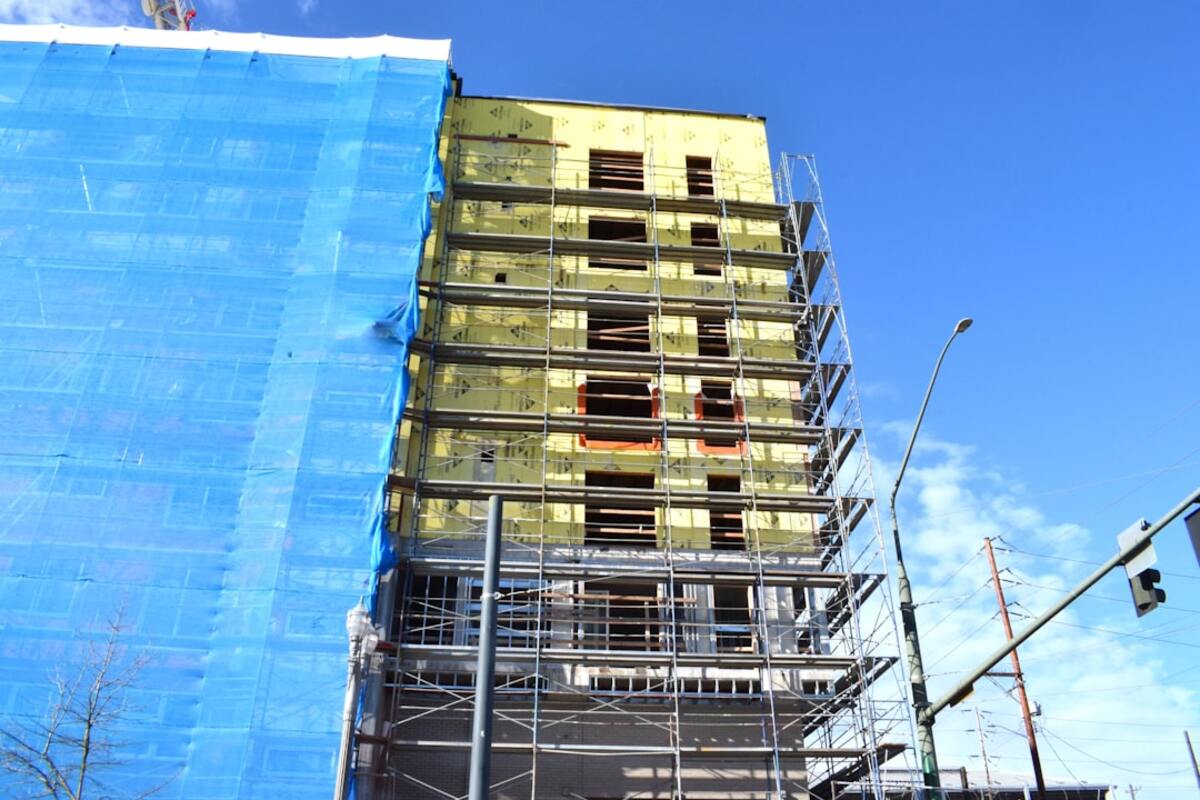
- New reserve rules and lender questionnaires can block mortgages if a condo has “critical repairs.” Know the signals before writing an offer.
- Special assessments affect debt-to-income. Convert lump sums into monthly impacts to compare financing choices.
- Owners can blend options—payment plans, HELOCs, renovation loans, and seller credits—to handle big repair bills safely.
Across the country, condominium associations are confronting the true cost of aging buildings. Post-inspection reforms, tighter lender scrutiny, and rising insurance premiums are forcing HOAs to tackle long-deferred structural work. The result is a surge in special assessments: one-time or multi-year charges that fund critical repairs and reserve deficits. For buyers and owners, the stakes are high. A misread budget or an overlooked engineering note can blow up a mortgage approval—or your household cash flow—after closing.
This guide cuts through the complexity. You’ll learn how to read HOA documents with a lender’s eye, translate assessments into monthly numbers you can actually plan around, and stack financing tools to cover major repairs without wrecking your long-term costs.
Why special assessments are surging now
Several forces converged to create 2025’s assessment wave. Many mid-rise and high-rise buildings from the 1970s through early 2000s are reaching key maintenance milestones: concrete restoration, facade work, roof systems, elevators, fire/life-safety upgrades, and plumbing stacks. At the same time, insurers have raised standards, especially in coastal and seismic markets, tying coverage to documented repairs and reserve strength. State and local laws now require more frequent reserve studies and structural inspections, often mandating minimum reserve contributions. HOAs that previously kept dues low by deferring savings are catching up—fast.
Lenders and the GSEs have also tightened condo project eligibility. Project questionnaires now probe for “critical repairs,” life-safety issues, significant deferred maintenance, and whether special assessments are appropriately budgeted. Even if a unit is perfect, the project can be ineligible if the building’s finances and repairs don’t meet standards. That’s why understanding the association’s health is as important as your own credit and income.

How lenders view condo projects in 2025
When you finance a condo, your lender underwrites two things: you and the building. Recent condo project review changes emphasize three questions.
- Are there any outstanding life-safety or structural issues identified by an engineer, inspector, or municipal authority?
- Are repairs funded and scheduled, with either adequate reserves or a special assessment in place?
- Does the budget show sustainable operations—typically including a meaningful reserve line item and no extreme operating deficits?
If the project has “critical repairs” with no plan, or relies entirely on deferrals, a loan may be denied even for strong buyers. Conversely, a well-documented assessment with clear engineering scope, timelines, and a realistic payment plan can be acceptable. The lesson: don’t fear assessments—fear ambiguity.
Reading HOA documents like an underwriter
Before you go under contract (or during your review period), request a full package: the latest reserve study or engineering report, year-to-date financials, current budget, minutes from the last 12 months, insurance certificates, pending litigation disclosures, and the project questionnaire if available. Here’s what to watch for.
- Reserve funding ratio: A reserve study will often show the percent funded. Below ~40% can signal higher odds of assessments. Upward trends are better than absolute numbers.
- Engineering language: Terms like “life-safety,” “structural,” “spalling,” “post-tension cable deterioration,” “facade anchors,” or “water intrusion” merit close attention. Look for scope, schedule, and funding, not just problems.
- Assessment structure: Fixed per-unit vs. percentage of ownership can affect your exact cost. Check whether the assessment includes contingencies for inflation and change orders.
- Delinquency rate: High delinquency can strain cash flow and push more of the burden onto paying owners. Lenders often cap acceptable delinquency levels.
- Insurance renewals: If the master policy renews soon, ask for broker indications. Premium spikes can drive mid-year budget amendments or new assessments.
Ask the property manager pointed questions: Is any portion of the assessment already billed? Are payment plans available? Are there construction draws tied to milestones? Will the association borrow to bridge work before all owner funds arrive?
Turning big assessments into monthly math
Lump sums feel abstract until they hit your bank account. Convert every scenario to a monthly impact so you can compare apples to apples.
- HOA payment plan: If the HOA offers a 5-year plan at 0% for a $25,000 assessment, that’s roughly $417/month. No loan fees and no lien subordination issues—but you’re locked into the schedule.
- HELOC: A $25,000 HELOC at 8.75% interest-only is about $182/month to start, but the rate floats, and amortization later can raise payments.
- Cash-out refi: Rolling $25,000 into a new 30-year mortgage at 6.75% increases payment by about $162/month (principal and interest), but you may give up a lower first-lien rate.
- Unsecured personal loan: At 11% for 7 years, payment is roughly $421/month. Fast approval, fixed term, but higher rate.
- Renovation mortgage: If work is unit-specific or limited common elements, a HomeStyle/CHOICE-type loan can finance improvements in the first mortgage. Processing is heavier, but rates can be better than unsecured options.
Always include HOA dues and any recurring assessment installments in your total housing payment. Lenders typically include assessments that are due for at least the next 12 months in your debt-to-income (DTI) calculation. If the assessment is a single lump due at closing and fully paid, it may not count as ongoing debt—but you’ll need the liquidity to clear it.
| Financing option | Approval speed | Typical rate | Max amount (common) | Pros | Cons |
|---|---|---|---|---|---|
| HOA payment plan | Fast once approved | Often 0%–low fixed | Up to assessment amount | No third-party loan; simple | Rigid schedule; may impact DTI |
| HELOC | Fast (1–3 weeks) | Variable; mid-to-high single digits+ | Depends on equity and lender | Flexible draws; interest-only start | Rate risk; closing costs |
| Cash-out refi | Moderate (3–6 weeks) | First-lien mortgage rate | Subject to LTV and guidelines | Lower rate vs unsecured; long term | Resets low-rate loans; higher total interest |
| Unsecured personal loan | Very fast (days) | Higher fixed | $5k–$100k typical | No lien; predictable payment | Higher rate; shorter term |
| Renovation mortgage | Slower (4–8 weeks) | First-lien mortgage rate | Varies by program | One loan; fixed; can add value | More paperwork; contractor oversight |
Buying into an assessment: negotiation tactics that work
Special assessments can create leverage. If a building has a known $30,000 assessment, buyers often ask for:
- Seller credit at closing: A lump sum credit can offset closing costs or prepay part of an HOA installment plan. Your lender may cap credits to a percentage of the price.
- Price reduction: Straightforward and clean for underwriting. Reduces taxes modestly in some jurisdictions.
- Seller pays the assessment in full before closing: This keeps it off your DTI if it won’t recur. Confirm with HOA that the seller’s payment fully clears your unit’s liability.
Build clear contingencies. Tie your contract to receipt and review of engineering reports, the reserve study, insurance quotes, the current budget, and any open RFPs for work. If an assessment is under discussion but not finalized, specify who pays what if the board ratifies it before closing.
When the HOA borrows instead of owners
Some associations take out a bank loan and raise dues to cover debt service rather than billing a large one-time assessment. For buyers, this can be easier to digest monthly—but it still impacts DTI. Ask for the loan term, interest rate, and amortization schedule. Verify whether the HOA loan has covenants that could force future hikes if delinquencies rise. Lenders often treat the increased dues like any other monthly obligation.
Unit improvements vs. common elements
Understanding the scope matters for financing choice. Work on common elements (roof, structure, facade) is typically funded by assessments or HOA loans. Work inside your unit (windows if they’re an owner responsibility, in-unit plumbing, interior remediation) might be financed with a HELOC or a renovation mortgage that specifically improves your unit’s value. Confirm whether windows, balconies, or terraces are classified as limited common elements in your documents—classification dictates who pays.
Red flags—and green flags—in 10 minutes
- Red flag: Repeated references to “life-safety” with no signed contracts or financing plan.
- Red flag: A budget with reserves under 5% of total dues and no scheduled increase.
- Red flag: Insurance set to renew within 60 days with no broker indications.
- Green flag: Board minutes detailing bids, signed contracts, and a staged payment schedule.
- Green flag: Reserve study updated in the last 24 months with a funding plan in motion.
- Green flag: Transparent owner portal with construction timelines and photo updates.
A smarter due diligence checklist
- Request the latest reserve study and note the recommended annual contribution vs. the actual budgeted amount.
- Read the last four board meeting minutes and any special meeting minutes regarding capital projects.
- Ask for engineering reports, scopes of work, and any city violation notices.
- Obtain the master insurance summary with deductibles; note any exclusions that could affect future assessments.
- Confirm owner-occupancy rate, short-term rental rules, and delinquency percentages—these can influence financing options.
- Clarify whether assessments are tax-deductible in your jurisdiction; often they are not, but check with a tax advisor.
Modeling total housing cost the way underwriters do
Take your proposed principal and interest, add taxes, HOA dues, and any recurring assessment installment. If an assessment is due monthly for 48 months at $300, your DTI should include that $300. If it’s a one-time $20,000 due at closing and paid from your funds or a seller credit, underwriters may not count it ongoing—though you still need the liquidity.
Example: A buyer with $2,100 mortgage P&I, $450 taxes and insurance, $550 HOA dues, and a $300 monthly assessment installment has a $3,400 housing payment for DTI. If their gross monthly income is $9,000, that’s a 37.8% front-end ratio before other debts. Knowing this early helps you choose between the HOA plan, a HELOC, or a refi to manage ratios.
Stacking solutions without overextending
Owners often combine tools. A common blend is to negotiate a seller credit, take the HOA’s 0% plan for a portion, and use a small HELOC for the remainder to preserve emergency cash. Another approach: refinance if you plan to hold long-term and the rate gap isn’t huge, then prepay principal later. Your goal is to keep monthly obligations flexible and avoid painting yourself into a corner if insurance or dues rise again next year.
Insurance surprises and how to prepare
Master policy premiums have become volatile. If a building’s policy jumps at renewal, boards can pass mid-year assessments. Ask for the broker’s forecast and the building’s loss history. High wind/hail or water claims can lead to higher deductibles, which in turn raise the risk of future assessments after a loss. Consider an HO-6 policy with adequate loss assessment coverage—know the sublimits and exclusions.
What happens if the board delays work?
Deferral can threaten financing and insurance. Lenders may label a project ineligible if “critical” items lack a funded plan. Insurers can price higher or exclude coverage. For owners, delayed work can depress resale and invite larger future assessments as damage worsens. If you see repeated deferrals, vote, run for the board, or plan an exit before buyers and lenders price in the risk.
Communication matters as much as cash
Transparent boards create smoother closings. When an HOA provides a clear engineering report, a simple owner FAQ, a timeline, and a payment matrix, lenders feel more comfortable and buyers can budget with precision. If your association is facing a major project, advocate for a one-page summary that quantifies the cost per unit, funding source, start date, and contingencies. Good communication is sometimes the difference between a funded project and a failed sale.
FAQ
Not necessarily. Lenders want to see that the issue is defined and funded. If the assessment addresses a documented repair, has a realistic schedule, and the budget supports it, many loans can still proceed. The bigger risk is an unfunded, undefined problem labeled as life-safety or structural without a plan.
Not necessarily. Lenders want to see that the issue is defined and funded. If the assessment addresses a documented repair, has a realistic schedule, and the budget supports it, many loans can still proceed. The bigger risk is an unfunded, undefined problem labeled as life-safety or structural without a plan.
It depends on rate, term, and flexibility. A 0% HOA plan is hard to beat, but it’s rigid and fully counts in DTI. A HELOC can start cheaper monthly due to interest-only payments and allows prepayments, but exposes you to rate changes and future amortization. Compare total cost and DTI impact.
It depends on rate, term, and flexibility. A 0% HOA plan is hard to beat, but it’s rigid and fully counts in DTI. A HELOC can start cheaper monthly due to interest-only payments and allows prepayments, but exposes you to rate changes and future amortization. Compare total cost and DTI impact.
Yes, and it’s common. You can negotiate a price reduction, a closing credit, or require that the seller fully pays the assessment before closing. Confirm with the association that the unit’s liability is cleared and document this in the contract and closing instructions.
Yes, and it’s common. You can negotiate a price reduction, a closing credit, or require that the seller fully pays the assessment before closing. Confirm with the association that the unit’s liability is cleared and document this in the contract and closing instructions.
Ask for the latest engineer’s estimate, contractor bids, and the contingency percentage. If scope is fluid, negotiate broader credits or a price cushion, or wait until bids are finalized. Lenders may hesitate until the association adopts a final budget and schedule.
Ask for the latest engineer’s estimate, contractor bids, and the contingency percentage. If scope is fluid, negotiate broader credits or a price cushion, or wait until bids are finalized. Lenders may hesitate until the association adopts a final budget and schedule.
Practical next steps
- Before touring, ask your agent for buildings with current reserve studies and recent capital projects—proof of proactive management.
- When you like a unit, request the full HOA packet immediately. Set a contract contingency for review.
- Convert every cost to monthly DTI. Assess whether a plan, HELOC, or refi best fits your budget and risk tolerance.
- Negotiate credits that survive lender caps—price reduction is the cleanest, then closing credits up to program limits.
- If you’re already an owner, attend board meetings and advocate for clear funding plans and owner-friendly payment options.
Special assessments don’t have to be dealbreakers. Clarity, documentation, and smart financing can turn a scary line item into a manageable plan—and sometimes even an opportunity to buy into a stronger, better-maintained building at a fair price.