Solar Panel UCC-1 Liens: Clearing Leases and PPAs So Your Mortgage Can Close in 2025
More homes now carry solar contracts with UCC-1 filings that can stall closings. Learn how to identify, subordinate, or terminate these liens so you can sell or refinance without surprises.
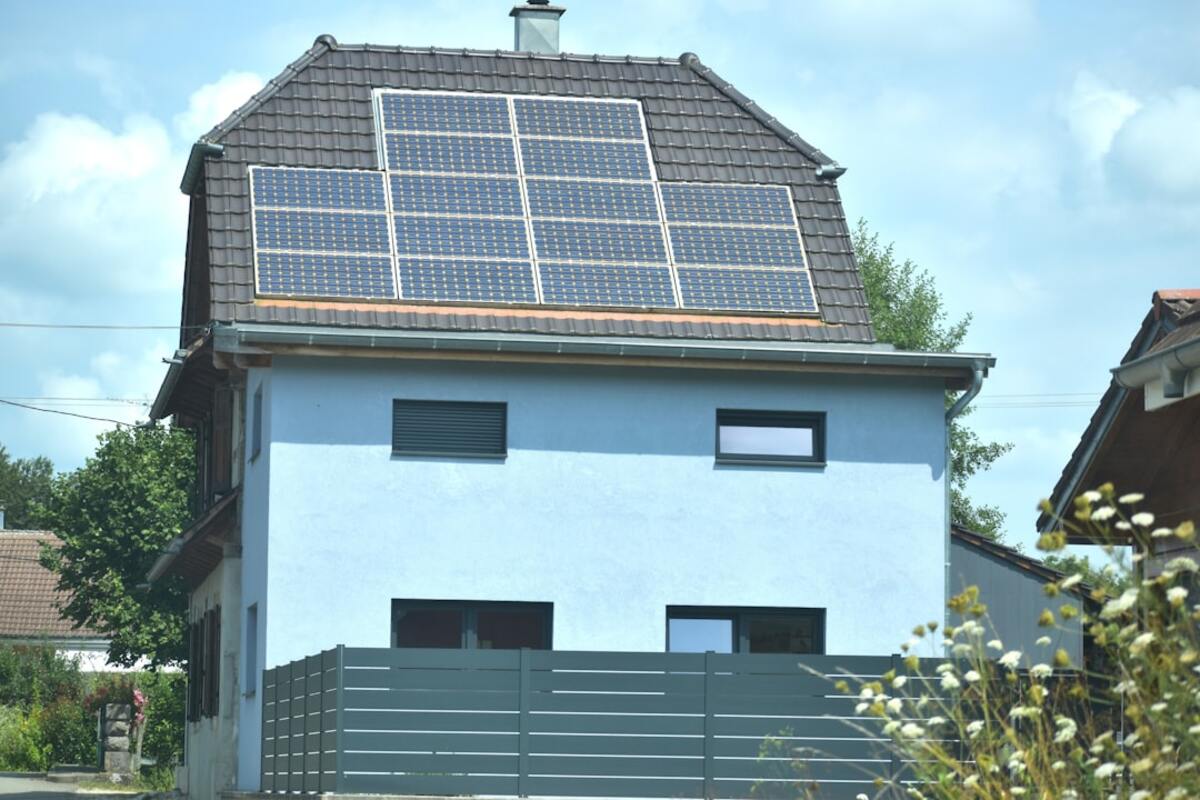
- Most lenders require any solar UCC-1 to be terminated or subordinated before closing.
- Know your contract type (cash, loan, lease, PPA) to choose the right clearance path.
- Start the payoff or subordination request early—typical timelines run 10–30 business days.
Across the United States, rooftop solar adoption has surged—and with it, a subtle but consequential title wrinkle for homeowners: the UCC-1 filing. If you financed panels, signed a lease, or entered a power purchase agreement (PPA), the solar company may have recorded a Uniform Commercial Code (UCC-1) statement. Sometimes this is a standard UCC on personal property. In other cases, it’s a “fixture filing” that attaches to the home, showing up in your title or in a UCC search and potentially blocking a refinance or sale until cleared or subordinated. The result can be last-minute closing delays, unexpected payoff demands, or re-underwriting.
In 2025, lenders, underwriters, and title insurers are treating these filings with much more attention. While the rules aren’t new, the volume of deals with solar encumbrances is rising quickly, and buyers, sellers, and borrowers are discovering the importance of handling UCC-1s early. This guide lays out how to identify the filing you have, how lenders view each solar contract type, and exactly what steps unlock a smooth closing—without giving up your tax credits, voiding warranties, or derailing the loan.
What a UCC-1 on Your Home Actually Means
A UCC-1 is a public notice that a creditor—often the solar provider or its finance affiliate—has a security interest in specific collateral. In residential solar, the collateral is usually the equipment (panels, inverters, racking) and sometimes the “fixture” interest that ties those items to the real property. The UCC-1 does not automatically mean you cannot sell or refinance. It does mean a lender or title insurer will want assurance that the mortgage will be in the first-priority position and that the property can be foreclosed without interference.
Not all UCC-1 statements are equal. A basic UCC-1 on personal property typically sits outside the land records and may not appear in a standard title search. A UCC-1 fixture filing is often recorded in county land records and is more likely to trigger underwriting conditions. Some states are strict about fixture filings; others are more lenient. Lenders and title insurers primarily care about two things: priority and removability. They want either a termination, a subordination agreement, or unambiguous evidence that the filing doesn’t touch the dirt (real property) in a way that could impair the mortgage.
Two terms will appear repeatedly in your conversations with the lender and title company:
- Termination: The solar creditor files a UCC-3 termination to release the lien or fixture filing entirely.
- Subordination: The solar creditor records a subordination agreement acknowledging the mortgage’s first priority, often referred to as an SNDA (Subordination, Non-Disturbance, and Attornment) or a simpler subordination form.
Which path is feasible depends on how you acquired the system—cash, loan, lease, or PPA—and what your provider allows. For some solar companies, termination is only possible when the system is fully paid off; for others, a conditional termination at closing is routine once funds are wired.

How Lenders and Underwriters Treat Solar PPAs, Leases, and Loans
Underwriting guidelines in 2025 generally share a common theme: the first-lien mortgage must not be encumbered by a superior claim from a solar creditor. Conventional loans (Fannie Mae, Freddie Mac), FHA, and VA each have language that allows solar systems but requires clear treatment of any UCC-1 filings. The exact paperwork can vary by investor and title insurer, but the outcomes fall into a handful of consistent buckets.
Use this quick reference to see how your contract type usually maps to lender requirements. Always verify with your loan officer and title company, since investor overlays and state-by-state practices can differ.
| Solar Setup | Common Filing | Lender/Title View | Typical Clearance Path | Key Documents |
|---|---|---|---|---|
| Cash purchase (paid in full) | None or UCC-1 filed then terminated | Generally clean | Provide proof of payment/ownership; no action if no active UCC-1 | Invoice, paid receipts, contractor warranty |
| Solar loan (secured by equipment) | UCC-1 (personal property) and sometimes fixture filing | Needs to be subordinate or removed | UCC-3 termination upon payoff, or recorded subordination | Loan agreement, payoff letter, UCC-3, subordination form |
| Solar lease | UCC-1 fixture filing common | Requires subordination; transfer on sale | Lease assignment/transfer plus subordination; rarely terminated | Lease, SNDA/subordination, transfer/assumption packet |
| PPA (power purchase agreement) | UCC-1 fixture filing common | Requires subordination; transfer on sale | PPA assignment plus subordination; termination uncommon | PPA, SNDA/subordination, assignment packet, estoppel |
For purchases involving a solar lease or PPA, the buyer usually assumes the agreement at closing. Lenders often require the assumption to be approved in writing by the provider before the Clear-to-Close. If a provider refuses to subordinate or drags on approvals, closings can stall. That’s why it’s critical to start the process early and keep a written timeline with every email and call logged.
Clearing, Subordinating, or Assigning the Solar Interest: Step-by-Step
Here’s a practical workflow you can follow whether you’re refinancing or selling. The earlier you complete Steps 1–4, the less likely you’ll face rate-lock extensions or possession delays.
- Pull your paperwork. Locate the original solar contract: cash invoice, loan agreement, lease, or PPA. Note the provider name and any finance affiliate.
- Run a title and UCC check. Ask your title company to run a preliminary title report and a UCC search. Look for (a) a UCC-1 fixture filing in land records, and/or (b) a UCC-1 filed with your state under your personal name or property address.
- Confirm investor requirements. Have your loan officer confirm what the end investor (Fannie, Freddie, FHA, VA, or non-QM) needs: termination vs. subordination, and any exact form language.
- Contact the solar provider’s lien or escrow team. Request their standard payoff, subordination, or assignment packet. If selling, also request the buyer assumption requirements.
- Choose a path.
- Loan payoff with termination: If you can or must pay the solar loan at closing, obtain a payoff letter through the good-through date and arrange a UCC-3 termination filed by the provider after funds disburse.
- Subordination (loan, lease, or PPA): If you will keep the agreement, obtain a lender-approved subordination agreement signed and recordable before closing.
- Assignment/assumption on sale (lease or PPA): Ensure the buyer is credit-approved by the provider and all transfer documents are fully executed.
- Verify insurance and maintenance. Lenders and providers often require proof of homeowner’s insurance that covers the array and clarifies responsibility for repairs. Keep the declarations page handy.
- Track the filings. After closing, confirm that any UCC-3 termination is actually recorded, and retain the stamped copy for your records.
Expect to interact with two teams at the solar company: customer service and a specialized lien/escrow or title desk. The latter handles payoffs, subordinations, and UCC filings. Get direct emails, not just a call center line, and ask for estimated turn times in writing.
Costs, Timelines, and What to Negotiate
Most providers post standard fees for subordination review, assignment processing, or rush handling. You might see line items like “Lien Release Fee,” “UCC Subordination Fee,” or “Transfer Processing Fee.” It is reasonable to request a fee waiver or reduction—especially if you are paying off the system in full or if delays were caused by the provider. Some providers will waive rush fees if the request was submitted early and processing delays are on their end.
Typical timing ranges observed in 2025:
- UCC payoff letter: 3–7 business days
- Subordination form issuance: 7–15 business days
- Assignment approval for buyer: 5–20 business days
- Recording of UCC-3 termination after funding: 5–15 business days
These are averages. End-of-quarter periods and high-volume months can stretch timelines. If your rate lock is short, request a rush in writing and copy the loan officer and title closer so all parties can coordinate.
On purchase transactions, negotiate in the purchase agreement who pays solar-related fees and whether the seller must deliver a recorded subordination before closing. Make sure deadlines reflect real-world processing times and include a contingency if the provider requires buyer approval and the buyer is not approved.
Documents You’ll Be Asked For
Creating a single folder with all documents will save days. Expect requests for the following, often from both the lender and title company:
- Solar agreement (loan note, lease, or PPA) and any amendments
- Proof of ownership or payment history (for loans)
- Payoff letter with per-diem interest (if applicable)
- Provider’s subordination agreement or SNDA; W-9 from provider
- Buyer assumption packet and approval (for purchases with lease/PPA)
- Evidence of system specs: panel count, inverter model, serial numbers
- Interconnection approval from utility and PTO (permission to operate)
- Proof of insurance covering the array
- UCC search results and, post-closing, recorded UCC-3 termination
Red Flags and How to Handle Them
Certain contract terms consistently cause friction with underwriters or title insurers. Watch for these, and address them before you list or apply:
- Non-subordination clause: If the contract prohibits subordination, ask the provider for an updated rider. Some providers have updated standard forms but older customers still have restrictive language.
- Transfer restrictions: Contracts that require full payoff or provider approval for any sale can chill buyers. Obtain written transfer criteria, including FICO and DTI thresholds, and disclose early to buyers.
- Assignment fees over $500–$1,000: High transfer costs can be a negotiation point in the purchase contract.
- Fixture filing with ambiguous removal terms: Underwriters may demand assurance that panels can be removed without material damage to the roof or structure. Provider letters often suffice.
Impact on Appraisals and Debt-to-Income Ratios
Owned solar (paid in full) can support contributory value, though appraisers will use paired sales and energy savings data rather than dollar-for-dollar matches. Leased or PPA systems typically do not add value; they may be treated as a personal property service contract assumed by the buyer. If you’re refinancing and carrying a solar loan, the payment may be counted in your debt-to-income ratio unless it’s paid off at—or before—closing with documented funds.
If the utility savings are significant and well-documented, appraisers sometimes include commentary. Lenders may still require standard income and DTI calculations without netting out utility savings, so avoid overestimating qualification relief from solar.
Coordination Tips for Sellers, Buyers, and Refinance Borrowers
For sellers with a lease or PPA, disclose early, attach the contract to your listing disclosures, and include a summary sheet with monthly payment, escalator, remaining term, and expected energy production. For buyers, submit the assumption application during the loan processing phase, not after underwriting approval. For refinances, let your loan officer know if any contractor or finance company ever contacted you about “lien filings”—even if you thought they were only for equipment. Surprises on the Closing Disclosure are often avoidable with a simple early UCC search.
Title companies are your tactical partners. Ask them to prepare draft subordination documents using the lender’s approved form, then route to the provider for signature. If the provider insists on using their form, have the lender review it quickly to avoid late-stage document swaps.
When Payoff Makes Sense
Paying off a solar loan can simplify everything: no subordination, no transfer approval, and clean title. If rates on your refinance are attractive, rolling the payoff into the new mortgage could reduce your blended rate. However, watch for prepayment penalties, potential impacts on federal tax credits if not already claimed, and warranty transfer rules. Request a written confirmation from the provider that warranties survive payoff and ownership transfer.
State Nuances Worth Noting
Fixture filing practices vary by state. In some jurisdictions, a personal property UCC-1 that never touches land records may still cause an underwriter to request comfort letters. In others, title insurers focus almost exclusively on recorded fixture filings. California, Arizona, Texas, Florida, New York, and New Jersey each have large volumes of residential solar and well-trodden workflows with major providers, but smaller regional providers may take longer to respond. Always buffer extra time if you’re dealing with a local installer that outsources financing to a third party.
Sample Timeline You Can Adapt
- Day 0–2: Collect contracts and open title; run UCC search.
- Day 3–5: Request payoff and/or subordination from provider; lender confirms form.
- Day 6–12: Provider issues payoff letter and draft subordination; lender/title review.
- Day 13–18: Execute subordination; queue recording; buyer assumption decision (if purchase).
- Day 19–25: Close; fund; record mortgage; provider files UCC-3 termination if paid off.
- Day 26–35: Obtain recorded copies; deliver to lender; archive for your records.
FAQ
No. Most loans close after a termination or subordination is recorded. Problems arise when the provider refuses to subordinate, or processing starts too late to meet deadlines.
No. Most loans close after a termination or subordination is recorded. Problems arise when the provider refuses to subordinate, or processing starts too late to meet deadlines.
Usually yes, unless you pay it off and terminate the agreement. Most leases and PPAs include transfer clauses requiring provider approval and a signed assumption package.
Usually yes, unless you pay it off and terminate the agreement. Most leases and PPAs include transfer clauses requiring provider approval and a signed assumption package.
A UCC-1 perfects a security interest in personal property or fixtures. A mechanic’s lien is a statutory claim for unpaid labor/materials against the real property. Both can delay closing but are resolved differently.
A UCC-1 perfects a security interest in personal property or fixtures. A mechanic’s lien is a statutory claim for unpaid labor/materials against the real property. Both can delay closing but are resolved differently.
Only if your contract allows it and you settle any remaining balance. Removing panels without the provider’s consent can breach the agreement and create bigger title and legal issues.
Only if your contract allows it and you settle any remaining balance. Removing panels without the provider’s consent can breach the agreement and create bigger title and legal issues.
Ask for the recorded UCC-3 termination with recording information (document number and date). Keep a copy with your closing package and share with your lender if requested.
Ask for the recorded UCC-3 termination with recording information (document number and date). Keep a copy with your closing package and share with your lender if requested.
Managing a solar UCC-1 filing isn’t about legal gymnastics; it’s mostly about sequence, documentation, and lead time. Identify your contract type, match it to the correct clearance path, get the right form in front of the right desk at the provider, and keep the lender and title company in the loop. Doing those things early keeps your loan on track and your deal from becoming another cautionary tale.